
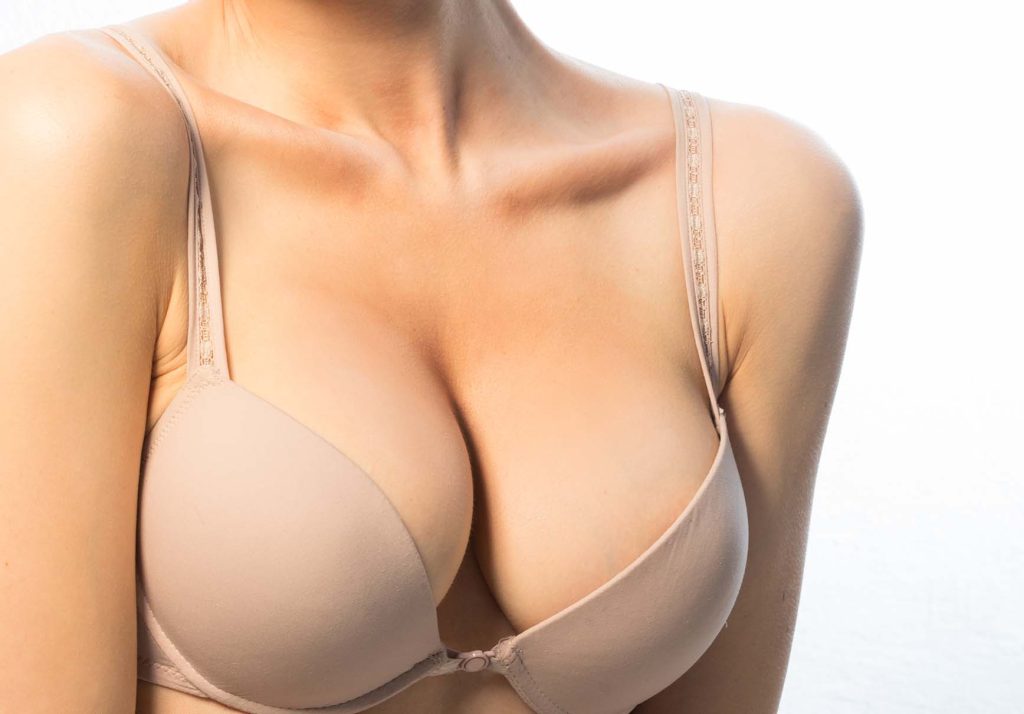
Breast augmentation is one of the most widely performed cosmetic procedures in the world; it offers women the ability to enhance their breast shape, size, and overall contour. (1)
Today, patients looking to enhance the size of their breasts can choose between two primary methods of augmentation: implants or fat transfer. Each technique comes with unique advantages and limitations, and the best option for you will depend on your goals, body type, and personal preferences. So, when deciding whether breast implants or fat transfer augmentation is right for you, it helps to consider how each approach aligns with the look you want to achieve and the experience you’re comfortable with. By understanding the differences in results, recovery, and suitability, you will be better equipped to choose the method that supports your aesthetic goals while keeping your long-term safety and satisfaction in mind.
Located just outside of Baltimore, Maryland, Dr. Alyson Wells at Valley Plastic Surgery & Medi-Spa brings a wealth of knowledge, precision, and experience to every breast enhancement procedure. As a double board-certified plastic surgeon and otolaryngologist, she combines advanced surgical expertise with an individualized approach to patient care. Women across the East Coast and beyond trust Dr. Wells to deliver safe and natural-looking results, whether they are seeking subtle refinement through fat transfer or a more dramatic transformation with breast implants.
If you are considering breast augmentation and want to find out which technique may be best for you, schedule a consultation online or call us at (410) 628-8200 to take the first step.
About Breast Augmentation
For many patients, breast augmentation is not only about achieving a fuller bust but also about feeling more confident. As a whole, breast augmentation procedures are associated with improvements in overall quality of life. (2)
About Breast Implants
Breast implants have been the most common method of augmentation for decades and remain the gold standard for women seeking a noticeable increase in breast size. Implants are highly customizable, offering patients control over volume, profile, composition, shape, and overall appearance. Two types of implants are available:
- Silicone Implants: Silicone implants are filled with a cohesive silicone gel that closely mimics the feel of natural breast tissue. They are an excellent choice for women who want a soft, natural look. Silicone implants are particularly popular among patients with less natural breast tissue, as they are less likely to cause visible rippling or edges.
- Saline Implants: Saline implants are filled with a sterile saline solution and are placed into the breast pocket empty before being inflated to the desired size. (3) They are known for their adjustability during surgery and are often recommended for patients who prefer a slightly firmer feel. If a saline implant ruptures, the body harmlessly absorbs the saline solution, and the deflation is immediately noticeable, which makes it easy to know when it needs to be replaced.
Both silicone and saline implants are designed to be durable and safe, but they do require eventual replacement or revision, typically after 10 to 15 years.
About Fat Transfer Breast Augmentation
Fat transfer augmentation involves using liposuction to harvest fat from areas such as the abdomen, thighs, or flanks. The fat is then purified and carefully injected into the breasts to increase volume and refine contour. (4)
Fat transfer is ideal for women who desire a subtle enhancement and prefer to avoid synthetic materials. Because it uses the patient’s own tissue, the results feel incredibly natural. This technique comes with the added benefit of contouring the donor area as well. It can be used to enhance the results of an implant-based procedure by effectively disguising implant edges.
Comparing Implants and Fat Transfer
When deciding between breast implants and fat transfer, it is important to consider the differences in results, recovery, and long-term maintenance. Implants can provide a more significant size increase, making them best for patients who want a noticeable change. Fat transfer offers a natural look and feel, subtle enhancement, and the added benefit of body contouring, but it is limited in the amount of volume it can add. All implants eventually need replacement, while fat transfer results are permanent once the transferred fat stabilizes.
Personal Consultation
A consultation with Dr. Wells is the best way to make an informed decision about breast augmentation. During this visit, she will review your medical history, assess your anatomy, and discuss your goals in detail. She will explain the differences between implants and fat transfer, showing you before-and-after photos of past patients to help visualize potential outcomes. This appointment is also the time to ask questions, share concerns, and learn about the surgical process from preparation through recovery. Dr. Wells takes a personalized approach to each case, creating a personalized treatment plan for every patient that prioritizes safety, comfort, and natural-looking results.
To schedule your consultation with Dr. Wells, call (410) 628-8200 or contact Valley Plastic Surgery & Medi-Spa online today.
Preparation
Preparing for breast augmentation helps ensure a safe procedure and smooth recovery. Dr. Wells will provide detailed preparation instructions, which may include:
- Undergoing lab testing or medical evaluations
- Adjusting certain medications before surgery
- Avoiding supplements and drugs that increase bleeding risk
- Stopping nicotine use several weeks in advance
- Arranging for transportation to and from the procedure
- Setting up a comfortable recovery space at home
Procedure
The procedure details vary depending on whether you receive implants or a fat transfer. Implant placement involves creating a discreet incision in one of several locations, such as under the breast fold or around the areola. The implant is then positioned either above or below the chest muscle, and the incision is closed with precision to minimize scarring. For fat transfer, Dr. Wells performs liposuction to harvest fat from predetermined donor areas. The fat is purified and injected into the breasts in small amounts to achieve smooth, natural contours. Both procedures are typically performed under anesthesia and can last anywhere between one and three hours.
Results
Results vary depending on the chosen technique, with results from breast implants often being visible almost immediately, and final contours becoming clear as swelling subsides and implants settle into place. Fat transfer results also appear right away, though some reduction in volume may occur as the body resorbs some of the transferred fat. In both cases, patients enjoy long-lasting improvements to breast shape and size, leading to enhanced body proportions and confidence.
Cost of Breast Augmentation in Baltimore, MD
The cost of breast augmentation varies depending on the technique, implant type, and complexity of the procedure. Fat transfer costs may include additional fees for liposuction, while implant costs differ depending on whether silicone or saline is used. During your consultation, Dr. Wells will provide a detailed breakdown of costs and discuss financing options if needed.
Schedule a consultation today to explore your breast augmentation possibilities. If you have any questions or prefer to schedule over the phone, please call our Cockeysville office at (410) 628-8200.
FAQ
How long do breast implants last?
Most implants last 10 to 15 years before replacement or revision should be considered.
Is fat transfer permanent?
Yes. Once the transferred fat stabilizes, the results are permanent. However, some fat cells may not survive, so a second session may be recommended for volume refinement.
Which breast augmentation option looks more natural?
Both can look natural, but fat transfer uses your own tissue, which feels identical to breast tissue. Silicone implants are also known for mimicking natural texture.
Can implants and fat transfer be combined?
Yes. Some women combine implants with fat transfer to achieve dramatic size increases with natural contouring around the implant.
Will there be visible scars from breast augmentation?
Implant scars are small and placed in discreet locations, while fat transfer scars are tiny from liposuction cannulas.
How do I know which breast augmentation option is right for me?
The best way is through a consultation with Dr. Wells, where your body type, goals, and medical history will be evaluated.
Can I breastfeed after augmentation?
Most women can still breastfeed after either implants or fat transfer. However, certain implant placement techniques or incisions around the areola may slightly increase the risk of breastfeeding difficulties. Discuss your plans for future breastfeeding with your surgeon to choose the safest approach.
References
- Fardo D, Sequeira Campos M, Pensler JM. Breast Augmentation. PubMed. Published 2021. https://www.ncbi.nlm.nih.gov/books/NBK482206/
- Knoedler S, Knoedler L, Kauke-Navarro M, et al. Quality of life and satisfaction after breast augmentation: A systematic review and meta-analysis of Breast-Q patient-reported outcomes. Journal of Plastic, Reconstructive & Aesthetic Surgery. 2024;95:300-318. doi:https://doi.org/10.1016/j.bjps.2024.06.016
- Kaoutzanis C, Winocour J, Unger J, Gabriel A, Maxwell GP. The Evolution of Breast Implants. Seminars in Plastic Surgery. 2019;33(04):217-223. doi:https://doi.org/10.1055/s-0039-1696985
- Davis MJ, Perdanasari AT, Abu-Ghname A, et al. Application of Fat Grafting in Cosmetic Breast Surgery. Seminars in Plastic Surgery. 2020;34(01):024-029. doi:https://doi.org/10.1055/s-0039-1700958